


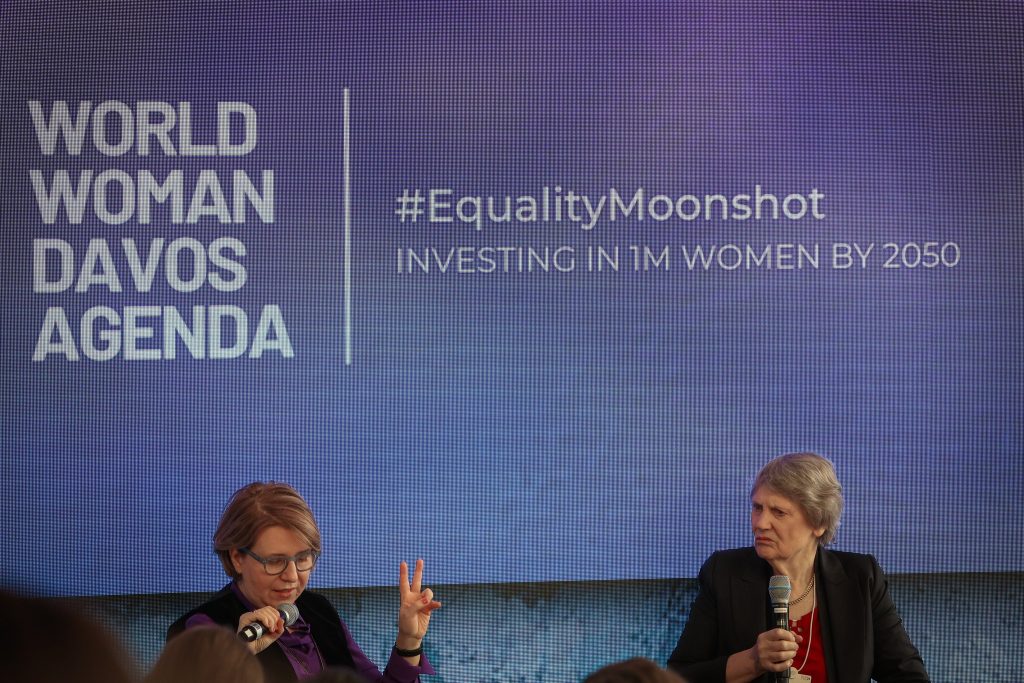
In the ever-changing realm of gender equality, the role of women in politics emerges as a focal point for discussion and action. As we progress through the 21st century, women’s voices in positions of authority resonate louder than ever, advocating for change, advancement, and inclusivity. Women’s involvement in peace and security processes—as peacekeepers, leaders, and members of defense and security sectors—is crucial for global security, stability, and democracy. Research indicates that higher representation of women in parliament generally leads to increased attention to women’s issues. Women’s Political participation is a fundamental requirement not only for gender equality but also for genuine democracy. It enables direct involvement of women in public decision-making and ensures better accountability to women. While increasing the number of women in decision-making roles is essential, it’s equally crucial to implement gender-sensitive governance reforms to enhance the effectiveness of all elected officials in promoting gender equality in public policies and ensuring their execution.
As of January 10, 2024, there are 26 countries where 28 women serve as Heads of State and Government. However, at the current rate, achieving gender equality in the highest positions of power globally is projected to take another 130 years. Only 15 countries have a female head of state, while 16 have a female head of government.
One influential figure in this realm is Prime Minister Helen Clark, whose leadership in New Zealand across three terms set a precedent for women in politics worldwide. In this article, we explore the insights shared by Prime Minister Clark during her discussion on women and power at the Women’s Davos Agenda 2024, in conversation with Aleksandra Karasinska, Editor-in-Chief of Forbes Women Poland, examining the significance of female leadership, encountered challenges, and the way forward for aspiring women leaders.
Unveiling the Power of Female Leadership:
Prime Minister Helen Clark’s journey to political eminence exemplifies the transformative potential of female leadership. In a historically male-dominated landscape, her rise to the pinnacle of power shattered stereotypes and paved the way for future generations of women leaders. As the first woman elected Prime Minister of New Zealand following a general election, Prime Minister Clark’s tenure marked a pivotal moment in the nation’s history, inspiring women worldwide.
Prime Minister Clark’s impact extends beyond her political accomplishments. Throughout her career, she has been a staunch advocate for gender equality, sustainable development, and climate action. From championing progressive policies to amplifying marginalized voices, Prime Minister Clark epitomizes the transformative power of women in positions of authority.
Navigating Challenges and Confronting Backlash:
Despite strides in advancing women’s rights, Prime Minister Clark acknowledges the persistent challenges and backlash women face in politics. The erosion of women’s rights, especially concerning reproductive autonomy, poses a significant concern, with regressive agendas threatening to reverse decades of progress. Prime Minister Clark’s insights underscore the need to safeguard these hard-won liberties and resist efforts to curtail women’s autonomy.
Moreover, the prevalence of online harassment and misogyny presents significant obstacles for women entering politics. Prime Minister Clark’s candid reflections on the vitriol she encounters on social media highlight the harsh reality of navigating male-dominated spaces. Yet, her unwavering resilience inspires aspiring women leaders, emphasizing the importance of perseverance in the face of adversity.
Driving Change and Empowering Future Leaders:
Prime Minister Clark’s legacy is a guiding light for women aspiring to enter politics. Through strategic policymaking and advocacy, women in positions of authority can effect meaningful change across various spheres of governance. Prime Minister Clark’s initiatives in healthcare, education, and gender equality underscore the transformative impact of women’s leadership, showcasing the power of policy to foster a more equitable and inclusive society.
For aspiring women leaders, Prime Minister Clark offers words of encouragement and guidance. Despite their challenges, she urges them to seize opportunities and navigate obstacles with resilience and determination. By building supportive networks and forging alliances, women can confront entrenched biases, challenge the status quo, and pave the way for a brighter future.
Takeaways:
- Women’s political representation remains significantly low, highlighting the urgent need for concerted efforts to promote gender parity in political leadership.
- The backlash against women’s rights underscores the importance of safeguarding hard-won liberties and resisting regressive agendas.
- Despite facing significant challenges, women leaders like Prime Minister Helen Clark demonstrate the transformative power of female leadership in driving positive change.
- Aspiring women leaders are encouraged to persevere, build supportive networks, and seize opportunities to effect meaningful change in their communities and beyond.
Reflecting on Prime Minister Helen Clark’s insights, we are reminded of the profound impact of women in politics. From breaking barriers to driving change, women leaders continue defying expectations and redefining leadership’s contours. As we strive for progress, let us draw inspiration from Prime Minister Clark’s resilience and determination, committing ourselves to empower women in politics. Together, we can build a future where women’s voices are heard, valued, and empowered to lead.
Taking Action:
Advocate for Gender Parity: Support initiatives and campaigns to increase women’s political representation, such as gender quotas and electoral reforms. Encourage political parties and institutions to prioritize gender diversity in candidate selection and leadership positions.
Combat Online Harassment: Take a stand against online harassment and misogyny by advocating for stronger policies and enforcement mechanisms on social media platforms. Support initiatives that provide resources and support for women facing online abuse and discrimination.
Support Women’s Leadership Programs: Invest in programs and initiatives that empower women to enter politics, develop leadership skills, and navigate male-dominated spaces. Provide mentorship, training, and networking opportunities for aspiring women leaders to thrive in their political careers.
Amplify Women’s Voices: Utilize your platform and influence to amplify women’s political voices and elevate their perspectives on key issues. Showcase the achievements and contributions of women leaders and challenge stereotypes and biases that perpetuate gender inequality in the political arena.
The journey towards gender equality in politics is multifaceted and ongoing. While significant progress has been made, there are still substantial challenges to overcome. The insights shared by Prime Minister Helen Clark serve as a reminder of the importance of continued advocacy, resilience, and solidarity in advancing the role of women in politics. By addressing systemic barriers, combating discrimination, and promoting inclusive policies, we can create a political landscape where women’s voices are heard and actively contribute to shaping the future. As we reflect on the transformative power of female leadership, let us remain steadfast in our commitment to empowering women in politics and building a more equitable and inclusive society for all.

4,797 thoughts on “The Power of Women in Politics: Prime Minister Helen Clark On Breaking Barriers and Building Bridges”
Оземпик — это инновационное средство для лечения диабета второго типа, содержащее семаглутид. Это вещество помогает регулировать уровень сахара в крови и улучшает показатели гликированного гемоглобина. Препарат удобно использовать благодаря еженедельному введению. Клинические исследования подтвердили, что Оземпик способствует значительному снижению веса, что является важным аспектом для пациентов с диабетом и избыточной массой тела. оземпик купить отправлены если кто то не
Добрый день!
Где и как купить диплом о высшем образовании без лишних рисков
mans-diplomy.ru/kupit-diplom-ryazan
Поможем вам всегда!.
Привет!
Как избежать рисков при покупке диплома колледжа или ПТУ в России
rushkadiplomikx.ru/kupit-diplom-instituta
Comments are closed.